 FURNKUBE
OEM to Your Design
Develop from buyer drawings and requirements with sample gates, material approval and controlled changes.
Build a differentiated outdoor collection through a controlled OEM or ODM process. FurnKube helps B2B buyers connect the design brief, approved materials, sample decisions, branded details and export packaging.
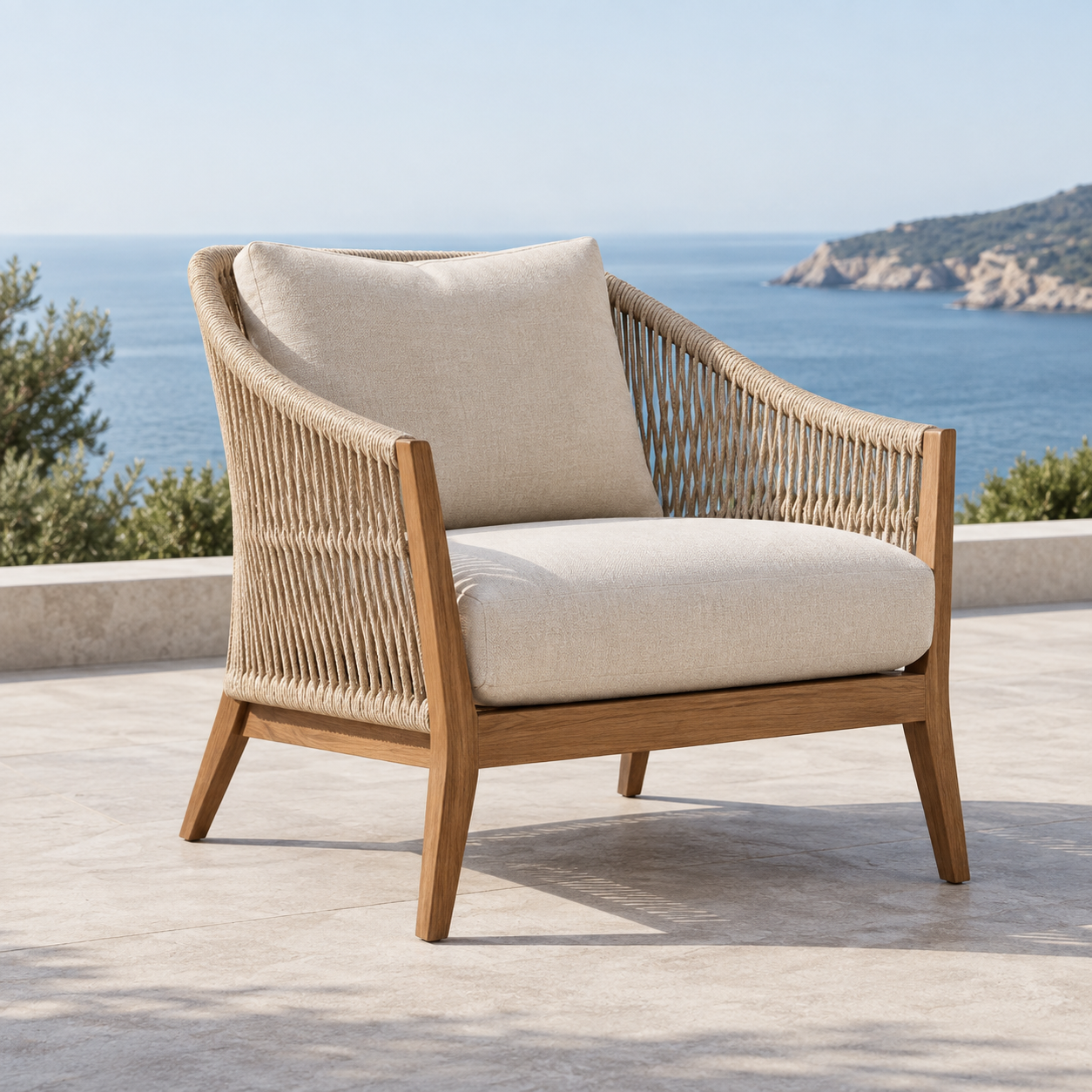
OEM and ODM are useful only when the buyer, factory and commercial plan agree on what is being created, changed and protected through production.
Develop from buyer drawings and requirements with sample gates, material approval and controlled changes.
Adapt an existing product direction through selected dimensions, materials, colors and collection details.
Coordinate categories and price positions for a defined channel without creating unnecessary variants.
Plan labels, manuals, carton artwork and product identification as part of the approved order scope.
A private label collection becomes repeatable when decisions are named, approved and kept with the product record—not scattered across informal messages.
Identify customer, market, target category, price position, quantity and the reason the product should be different.
Record what was reviewed, what changed, which physical reference governs production and who approved release.
Keep product codes, drawings, materials, labels, packaging and accepted changes together for later purchasing.
A clear sequence keeps buyer decisions visible from the first brief through shipment release.
Confirm the application, market, quantities, materials and non-negotiable requirements.
Align product scope, options, packing assumptions and the commercial basis for comparison.
Review dimensions, materials, finish, function, comfort and agreed changes.
Release the approved references into controlled manufacturing and in-process checks.
Compare finished goods, accessories and packing with the order and approval standard.
Prepare cartons, records and loading around the destination handover and installation plan.
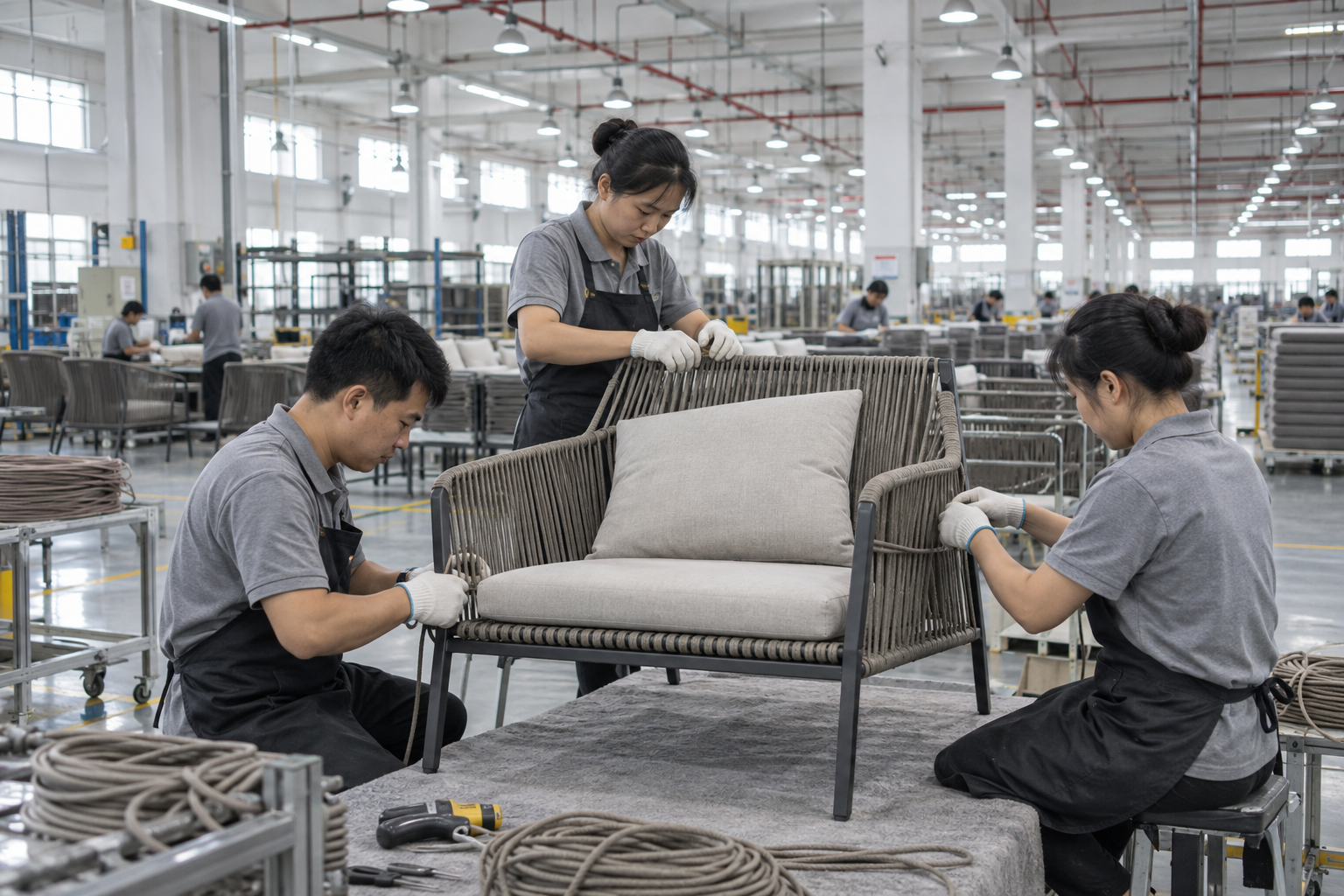
Factory process / Shenzhen
The development team and production team should work from the same drawings, material schedule and signed sample record. In-process checks make changes visible before final packing, while shipment inspection confirms the complete branded scope.
See our manufacturing processFAQ
OEM generally starts from the buyer’s design and specification. ODM adapts a factory-developed product direction to the buyer’s market, materials or brand. The approval and commercial responsibilities should be clear in either route.
Labels, marks, manuals and carton artwork can be reviewed as part of the project scope. Artwork, placement, quantity, language and approval timing should be confirmed before production.
Use named product codes, revision-controlled drawings, approved samples, material references and written change records. Confidentiality requirements should be discussed before sensitive files are shared.
Provide the target customer, destination market, sales channel, reference product or drawing, materials, estimated quantity, target timing and the non-negotiable brand or performance requirements.
Share your brand market, channel, product concept, target quantity, timing and the elements you want to own or customize. We will help identify whether OEM or ODM is the more practical route.